What is it?Squint means the eyes are not aligned in the same direction. Amblyopia, often called lazy eye, is reduced vision caused by abnormal visual development and needs early management.
Symptoms and warning signs
Arrange an eye examination when you notice symptoms such as:
- One eye turning inward, outward, upward or downward
- Closing one eye in bright light
- Sitting very close to books or screens
- Frequent headaches, eye strain or school difficulty
- White pupil, unusual red reflex or abnormal eye movement
- Premature birth or family history of childhood eye problems
Causes and risk factors
- Refractive error
- Eye-muscle imbalance
- Amblyopia
- Congenital or neurological factors
- Prematurity or certain systemic conditions
How diagnosis is made
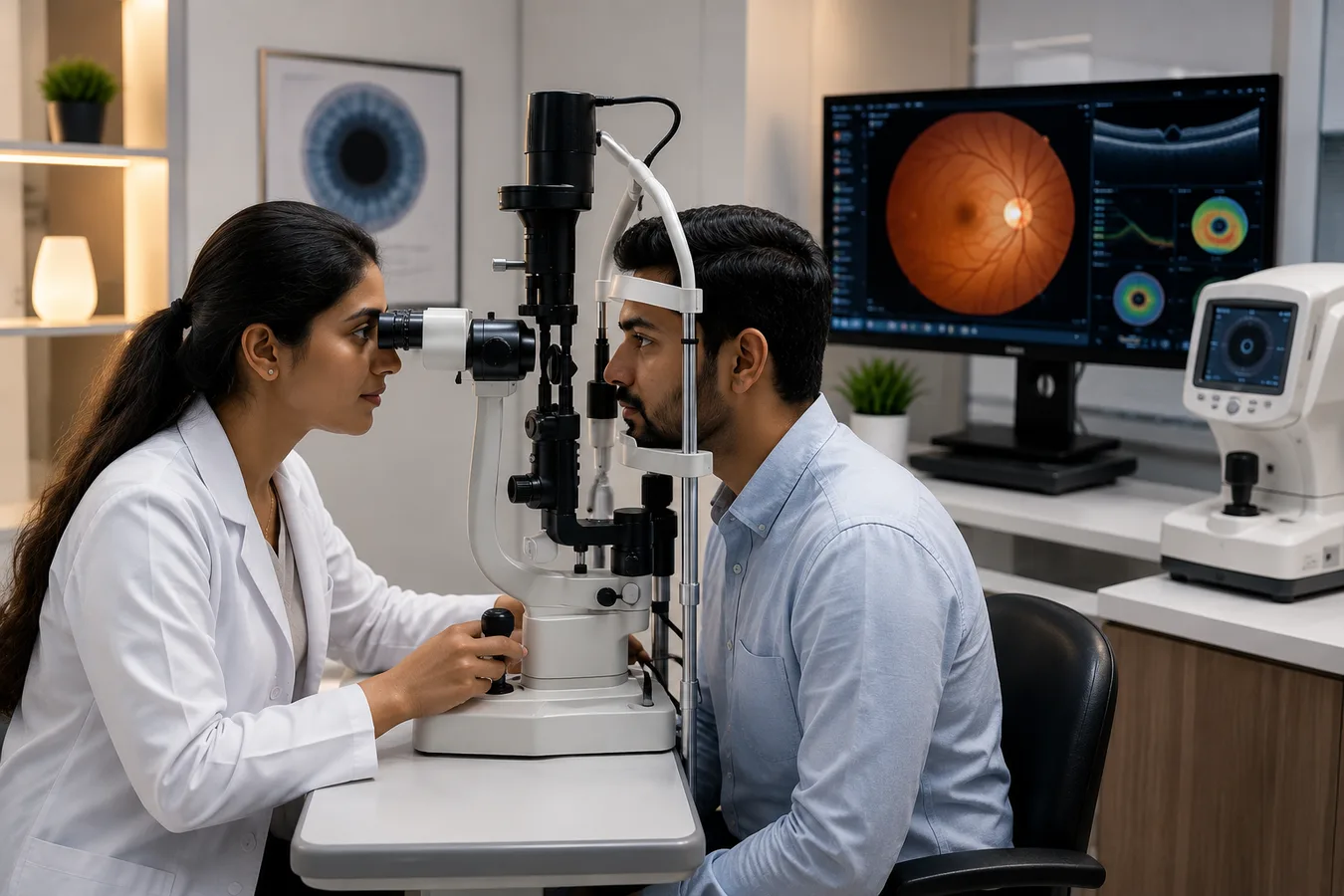
The examination is tailored to the patient. It may include:
- Age-appropriate vision testing
- Cycloplegic refraction when indicated
- Eye-alignment and movement assessment
- Front and back of eye examination
- Additional referral for complex paediatric or surgical needs
Technology and clinical tools
- Child-friendly vision and alignment testing
- Cycloplegic refraction
- Retinal examination
- Network-based paediatric ophthalmology and ROP support when required
Specific equipment and procedure availability can vary by centre. SGVEH Champa can help coordinate network-based testing when recommended.
Treatment options
- Spectacles
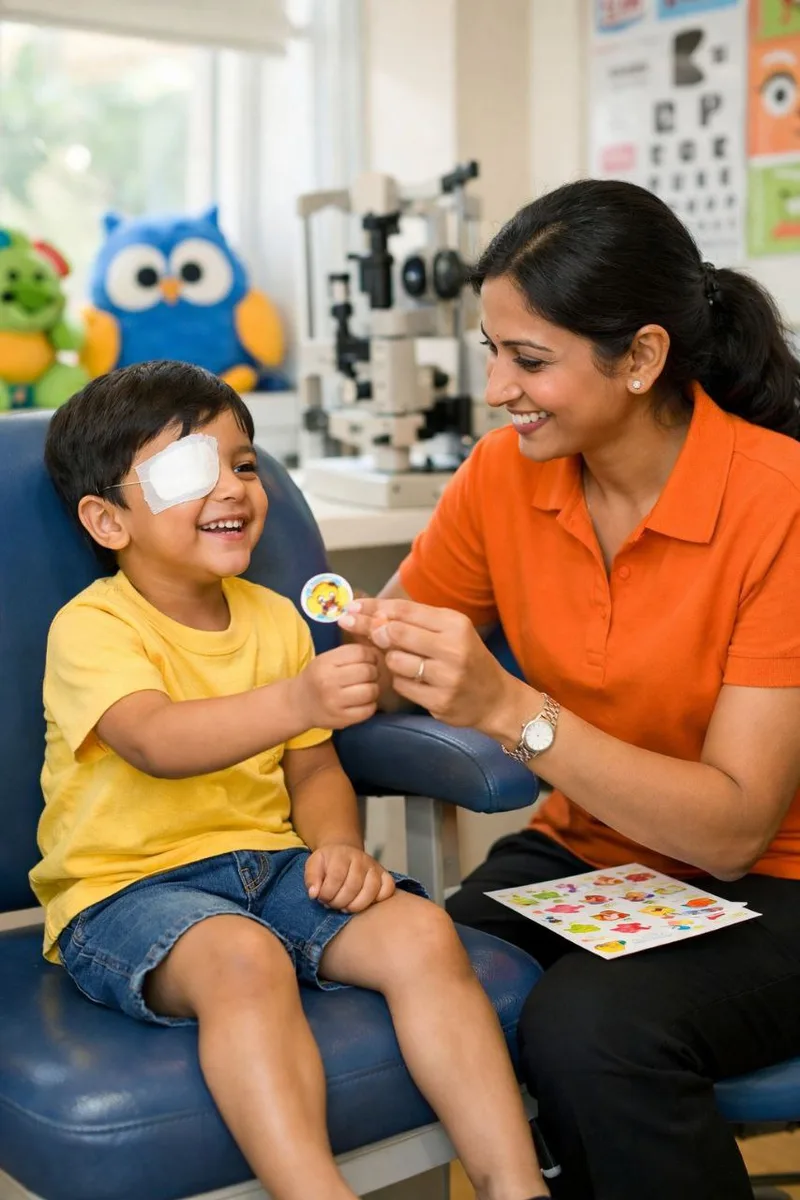
- Patching or other amblyopia therapy
- Exercises for selected conditions
- Squint surgery when clinically indicated
- Regular follow-up during visual development
Recovery and follow-up
Typical guidance
Children usually adapt to glasses or patching gradually. Squint-surgery recovery depends on the procedure. Consistent follow-up is essential because vision develops throughout childhood.
Doctor’s advice
Do not assume a child will outgrow squint or poor vision. Early assessment provides the best opportunity to support normal visual development.
Patient FAQs
Eye assessment can be performed even in infancy when there is a concern. Testing methods are adapted to the child’s age.
Some alignment changes in newborns may settle, but persistent or intermittent squint should be examined because early treatment may protect vision.
Treatment can take months or longer and depends on age, severity, spectacle correction and adherence to patching or other therapy.
Cost depends on consultation and tests such as cycloplegic refraction. Contact the Champa centre for current charges.